- If you’ve been inactive or you have a medical condition, talk to your doctor or health care provider before starting a new physical activity program.
- If you cross-train (think power yoga or swimming), you’ll help your body recover; and with our diet, you’ll progress more quickly to dropping up to 10 pounds in three weeks.
- For some, losing 10 pounds means fitting into their favorite pair of jeans, climbing up a flight of stairs without losing their breath, or reducing their diabetes medication.
- “There is a strong relationship between intensity of exercise and fat-burning hormones,” says Weltman.
- The American College of Sports Medicine recommends at least 150 minutes of moderate-intensity exercise per week.
- You can reduce that effect by increasing your regular protein intake by 50g per day.
Embracing the Awkward Stage of Weight Loss: Your Path to a Stronger, Leaner You

Current guidelines suggest 150–300 minutes of moderate-intensity or 70–150 minutes of vigorous-intensity cardio each week for optimal health benefits. Cardio, or aerobic exercise, is an excellent way to burn calories, improve heart health, and support your weight loss journey. This activity increases your heart rate, helping you shed fat and improve overall body composition. General approach that works for me is thinking of carbs as workout fuel.
The Benefits of Burpees: Why You Should Add Them to Your Workout
They had to go through hundreds of hours in the gym and dozens of other mini-milestones before hitting that bar-bending mark. They had to work up to it—five pounds more this week, 10 more the next. Building on the previous workout is what eventually amounts to four plates on each side of the bar.
How to Lose 10 Pounds in a Month: Effective Tips for Safe Weight Loss
When it comes to losing 10 pounds or more, I focus on nutrient-dense eating. This can help you lose weight without feeling deprived. It’s filled with so many options and it’s nothing like a fad diet. You’ll not only feel energized and satisfied while you’re losing weight, you can keep it off for good.
From Mayo Clinic to your inbox
If your diet is currently low in fiber, increase your intake gradually to avoid digestive discomfort. Pair fiber with adequate hydration to keep digestion running smoothly. You don’t need to track forever, but doing it for a few weeks can provide clarity and accountability during a focused weight-loss phase.
This not only supports weight loss but also overall health. Try to work in an HIIT workout one to two days per week. Interval training, which means alternating bursts of intense activity with intervals of lighter activity, can help jump-start weight loss and increase caloric burn.
Check out these delicious high-protein recipes you can meal prep for breakfast, lunch, and dinner. Used in moderation, cardio allows you to get over fat-loss plateaus without altering your diet too much. This week, do two moderate sessions (yes, just two) of minutes apiece. If you try to force fat off, it can backfire, with the body downgrading its metabolism and the amount of calories it burns in response to exercise and diet. You can increase the amount of filling, nutrient-dense foods you eat by prioritizing whole foods high in fiber, protein, healthy fats, and important vitamins.
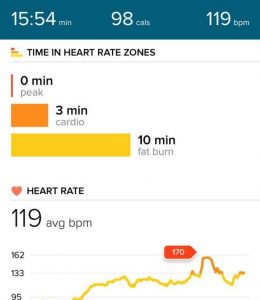
Focus on Clean, Whole Foods
On average, it’s safe to lose 1 to 2 pounds a week with the help of a healthy diet and consistent, physical activity. Losing 10 pounds in one week can actually be harmful in the long run. So, if you find yourself losing weight more quickly and/or during shorter periods, you should make an appointment with a healthcare provider who can help figure out how best to meet your weight management goals. And that’s true even if you’re not losing any of your intended weight. A 2013 study found that overweight adults who burned 400–600 calories per cardio session five days a week for 10 months achieved significant weight loss.
Plant Protein Power: What to Look for in a Complete Plant-Based Protein
A person should also aim to get at least 7 hours of sleep each day. If a person finds that they do not lose weight after increasing their exercise levels and improving their diet, they may want to speak with a doctor. A person who increases their water intake or replaces sugary beverages with water may find that they lose weight. According to the National Heart, Lung, and Blood Institute, a person trying to lose 1 lb to 1.5 lb per week should reduce their daily calorie intake by 500–750 calories. However, this reduction in calories may vary from person to person.
Build a support network
A 2014 review found that weight loss programs incorporating calorie counting led to an average of 7.3 pounds (3.3 kg) more weight loss annually than those that didn’t. A safe weight loss rate is typically 1 to 2 pounds per week or about 4 to 8 monthly. While losing 10 pounds in a month might push this range, it’s doable by making smart changes to your diet and exercise routine.
One 2019 study found that people who ate at a slower pace had increased feelings of fullness and greater suppression of ghrelin, which is a hormone that stimulates appetite. One way that a person can try to lose weight is to set a monthly weight loss goal. A person who sets themselves a weight loss goal should make sure that it is realistic and safe to achieve. Chronic stress increases cortisol levels, which can promote fat storage, especially in the abdominal area.
Build Unstoppable Stamina: Top Muscular Endurance Exercises to Unlock Your Superhero Strength
While counting calories and reducing your total intake can be an effective way to support weight loss, it can be time consuming and difficult to sustain over the long term. Before starting supper, drink 2 cups (16 ounces) flat or sparkling water and eat one large handful (about 1 cup) of non-starchy vegetables. This strategy helps take the edge off your hunger and enables you to start filling up. Dress with 1-2 teaspoons of extra virgin olive oil + unlimited vinegar or fresh lemon juice (alternatively, you can use 2-4 tablespoons of low-calorie vinaigrette).
King Kamali Talks Importance of Mastering Negative Energy On ‘TMP’
Nutrient-dense options like whole grains provide fiber, which keeps best apps for weight loss you fuller longer and supports weight management. With the right approach, achieving sustainable weight loss is possible and a great way to improve your overall health and well-being. Replacing refined carbohydrates, such as white bread and pasta, with their whole grain alternatives can also help a person lose weight.
Always seek the advice of a physician or other qualified health provider for any questions you may have regarding a medical condition, or before embarking on any diet, exercise or wellness program. Is losing 10 pounds in 2 weeks a better, safer, and more realistic goal than doing it in 1 week? It’s literally twice as better/safer/realistic of a goal. My point is, losing 10 pounds of fat in a week is not going to happen. But losing 10 pounds of some other form of “weight” in a week? This means that in order for 10 pounds to be lost, a total caloric deficit of roughly 35,000 calories would be needed.
Research shows that eating more protein can help reduce the risk of obesity and related conditions like cardiovascular disease. A high-protein breakfast may also help you burn more calories and preserve lean muscle mass during weight loss. Focusing on your eating habits—such as replacing processed foods with whole grains, green beans, and lean proteins—helps you burn fat and build muscle mass. I’m currently 37 and if I learned anything since starting with MTB 4 years ago, the fitter you’ll get the more fun it is.
]]>Why Irvine Women Struggle with Fiber (And How to Fix It)
You want to do circuits, moving from exercise to exercise at a pace that keeps your heart rate as elevated as it would be if you were still on the treadmill or bike. That way, you’ll be getting the same cardio benefits while also increasing your lean-muscle mass. My experience is that it’s certainly possible to add aerobic power while losing weight, but I’ve only had real success during lower intensity training. With those type of intense workouts, I just don’t function well without topping off glycogen constantly. I can always knock out a long tempo ride even when I’m not topped off. It’s just easier to just focus on rides that rely heavily on fat burning rather than trying to walk a tight rope of calorie deficit vs. the glycogen stores needed for those harder workouts.
Personal Trainer Gets Personal Training in Irvine: Claudine’s Body Transformation Story
Fat Loss For The Mostly-Fit Person You aren’t fat, but you’d like to lose about 10 pounds to better show off those muscles. The Question Just about every experienced lifter would look better if he or… I find calorie counting, at least for a bit, helps me see where my norms are. Then after a little while drop the carbs from a meal or 2. Keep halfing and dropping gradually until your only carbs are around workouts.
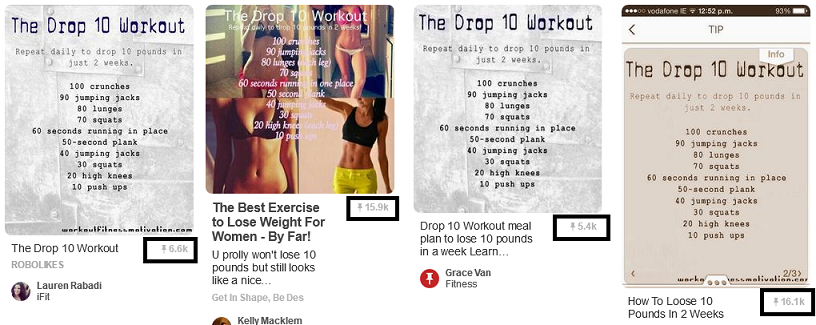
Activities like skipping rope, walking, running, or jumping can make your cardio workouts enjoyable and highly effective. However, the effectiveness of exercises can only be maximized when the individual knows how to adjust and choose exercises that suit themselves. On average, after 10 weeks of endurance training, the body’s metabolic rate increased by 7%, stabilizing blood sugar and reducing the risk of diabetes.
Vinmec healthcare system
Ensuring your body is fueled by nutritious meals is a key component of a healthy lifestyle. When you tax your body but don’t give it the nutrition it needs, you’ll feel the difference. Watch out for tasty and nutritious pre- and post-workout snacks to keep your body fueled. Aim for 10,000 steps each day as outlined in the cardio workout plan. Consider shaving off some of the allocated cardio time to give yourself enough time to target a different area for strength training each day. While exercise is a critical piece of weight loss, we’d be hesitant to skip the fact that how you fuel your body for exercise might be even more important.
The Orange County Prenatal Strength Training Guide
Sometimes the size of your plate might influence you to get more food than you really need. Use a smaller, 10-inch plate to help you balance your meals and consume fewer calories. Follows strict sourcing guidelines to ensure the accuracy and recency of its content, as outlined in our editorial policy.
Fiber not only supports digestion and acts as a natural laxative, but it also helps you feel fuller for longer, reducing the urge to snack. A study showed that men consuming 33 grams of fiber daily experienced reduced hunger and gradually decreased portion sizes. According to nutritional reports, increasing daily fiber intake by 14 grams can reduce calorie consumption by 10%, compared to a low-fiber diet.
There may be a few rare exceptions this time… namely the obese (and even in those cases, this rate of weight loss wouldn’t last very long). And yup, the same “weight vs fat” stuff from earlier applies here just the same (hell, I can lose or gain 5lbs overnight just by manipulating my sodium and carb intake). So why not try weight training and see how it can help you lose those 10 pounds in time for summer? Contact us today to schedule a consultation with one of our experienced personal trainers. As long as you get moving and stay active, you’ll have a better chance of burning those calories and losing weight.
What Most People Miss About Thyroid Health

People who do not get enough sleep may not have the energy to get enough exercise. If a person feels fuller for longer, they may be less likely to overeat. Also, diets that recommend sticking to one type of food can restrict the nutrients a person takes in.
- The intervals should be challenging, and the Tempo Day run should be done at a hard but comfortable pace.
- By making simple swaps, like choosing whole-grain bread over refined options, you can easily incorporate more fiber into your meals and stay on track with your weight loss goals.
- So by the time the feeling of hunger goes away, you’ve generally eaten more than you need to.
- A 2018 study from Lancet suggests that no amount of alcohol is safe, but if you must imbibe, we recommend going for these low-calorie alcoholic drinks.
- The addition of essential amino acids potentiates the synthetic response suggesting that an amino acid sensor, which is…
- Making these foods a regular morning routine makes you feel satisfied and less tempted to snack later.
I think that the https://unimeal.reviews/ important thing should be called “calorie awareness”. I was having a breakfast of wholemeal toast, baked beans, and 2 poached eggs when a colleague said “you’re packing in the calories today”. It didn’t occur to them that eggs poached in water, a little wholemeal toast, and some beans is actually pretty healthy.
If you already have any of these conditions, they may be improved dramatically if you lose weight, regardless of the diet plan you follow. After that, you transition into the second phase, where you continue to lose 1 to 2 pounds (0.5 to 1 kilograms) a week until you reach your goal weight. By continuing the lifelong habits that you’ve learned, you can then maintain your goal weight for the rest of your life. You can have sweets but no more than 75 calories a day. For practicality, consider thinking of your sweets calories over the course of a week. Have low-fat frozen yogurt or dark chocolate on Monday, and then hold off on any more sweets for a few days.
Lose fat
As you progress through body recomposition, you may notice changes in your body, such as an overall firmer look or that your clothes fit differently. You may even gain weight, but have a smaller physique, at the end of your body recomposition program. Having a fit pal you can exercise with regularly will help you stick to your goals and cheer you on through successes and setbacks. Research shows that those who don’t get enough shut-eye eat more and reach for more fattening grub than people who get plenty of rest.
The Workouts
Both years my power either went up for maintained (not including power under 30 seconds). Right now I’m sitting around 12% bodyfat so I’m being much more lenient because I don’t want to lose muscle mass. Last point, you’ll find that as you get leaner and fitter, there will come a point where it becomes harder to improve both fitness and weight at the same time and you may need to prioritise one then the other.
It isn’t weight loss, it’s fat loss
Research shows that women who consistently sleep at least 7 hours per night have a 33% higher chance of losing weight compared to those who struggle with insufficient sleep. Poor sleep quality can also increase hunger and food cravings, making it harder to control calorie intake. To support your goal of losing weight, including up to 10 kg in a month, aim to maintain a consistent bedtime and prioritize high-quality sleep. A well-structured sleep routine is a vital part of a healthy lifestyle and can significantly enhance your weight-loss efforts.
Can Reduce Belly Fat
Adding some help should result in more noticeable progress. I feel like this was a good day, and I just need to be more consistent. I know I didn’t list exact amounts but I think this give a good idea of volume and types of food.
]]>