How can I control my peanut butter cravings?
- The drop in estrogen and progesterone levels can affect neurotransmitters in the brain, leading to cravings for comfort foods like peanut butter.
- This can lead to increased cravings for calorie-dense foods, including peanut butter.
- Check the nutrition label for added sugars and unhealthy fats.
- Peanuts are a good source of both nutrients, so if you’re feeling low in energy or needing a nutrient boost, your body may be telling you to eat peanuts.
- Did you enjoy peanut butter and jelly sandwiches for lunch?
- Incorporate a cornucopia of magnesium-rich foods such as spinach, pumpkin seeds, and avocados into your meals.
Chances are, your cravings for peanut butter are trying to tell you something else. Paradoxically, some individuals with mild peanut allergies or sensitivities may experience cravings. This could be a form of the body attempting to “self-medicate” or a psychological longing for a food they know they shouldn’t have.
You’re Short on Magnesium
This is often linked to childhood associations and the reward pathways in review of unimeal the brain. Reaching for peanut butter in these situations is often a learned response, associating it with positive emotions. Late-night cravings often stem from a combination of factors including stress, boredom, and hormonal fluctuations.

Should I be concerned if my child craves peanut butter constantly?
For example, in some cultures, peanuts are considered symbols of fertility and abundance. In this article, we explore the spiritual meaning behind craving peanut butter. You’ll discover how seemingly mundane moments like these can hold hidden messages from the universe. By understanding the symbolism behind your cravings, you may uncover insights about your inner self and spiritual journey.
Craving Peanuts During Period
When stressed, anxious, or simply bored, the brain might seek out the familiar pleasure of peanut butter to release endorphins and temporarily alleviate negative feelings. This emotional connection can create a powerful craving, even when your body doesn’t actually need the nutritional components of peanut butter. Natural peanut butter, containing only peanuts and sometimes salt, is generally considered healthier than processed versions with added sugar, oils, and preservatives. Dehydration can sometimes be misinterpreted by the body as hunger. Since peanut butter can contribute to feelings of satiety, your body might be signaling a need for fluids, which you misinterpret as a craving for peanut butter.
Strawberry Dump and Bake Cake That Turns 4 Simple Ingredients Into Gooey Golden Perfection
Peanut butter cravings may have an emotional significance or rationale, as they are an excellent snack for improving mood and battling worry and stress. Essentially, you can avoid a peanut butter addiction by regulating your cravings and just consuming the appropriate quantity of peanut butter. In a nutshell, peanut butter consumption before your period is beneficial to your body. But, of course, it would be preferable if you were OK as long as you did not overeat. Moderation is generally a good rule of thumb, especially in this circumstance.
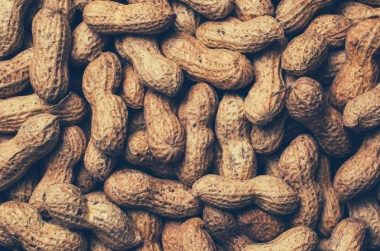
What Does It Mean If You Crave Peanut Butter?
People start lifting the lid before I even say dinner is ready. Someone always asks how long it’s been cooking because the whole house smells like we’ve been at it all day. I was startled awake last night by the sound of rustling outside my door, only to find an unordered feast waiting on my welcome mat. With a sinking feeling, I realized it might be a tactic to lure me into opening my door at night. Anxiety kicked in, and I quickly turned to Local Matters for answers.
Is There a Downside to Eating Peanut Butter?
Cortisol levels (the stress hormone) tend to be higher at night, which can trigger cravings for comfort foods. Also, being tired can disrupt hormone regulation related to hunger and satiety, leading to increased cravings. Hormonal fluctuations during menstruation can influence cravings for various foods, including peanut butter.
Stress and Emotional Eating: Comfort in a Jar
They can help you identify potential underlying causes and develop a personalized plan to manage your cravings and improve your overall health. If you’re trying to reduce your peanut butter consumption, there are several healthier alternatives. Almond butter, cashew butter, sunflower seed butter, and avocado all offer similar creamy textures and healthy fats while providing different nutritional profiles. For women, hormonal fluctuations during the menstrual cycle can influence food cravings.
To embrace the spiritual meaning of craving peanut butter, you can integrate practices that promote grounding and stability into your daily life. These practices can help bring balance to your physical, emotional, and spiritual well-being. The menstrual cycle might induce you to seek fatty meals, which is good if you prefer peanut butter because peanut butter is high in healthy fats. Why are you craving peanut butter when you are on your period?
What causes peanut butter cravings?
If you’re on a low-fat diet, you may not be getting enough healthy fats. Sometimes, the simple act of habitually consuming peanuts can lead to cravings. If one regularly snacks on peanuts or includes them in meals, the body might begin to expect and crave them at specific times.
]]>Week 7-8: Increasing Intensity
For example, the calories from one Chipotle chicken burrito is 710 calories. Burning that off on the treadmill would take over an hour while running at a 10-minute/mile pace. To us, this simple exchange shows how being conscientiousness of your nutrition gives you the most bang for your buck. There’s no silver bullet to weight loss, but if we had to pick one, we recommend getting your https://unimeal-review.com/trustpilot/ nutrition dialed in.
It is a myth that by eating 500 fewer calories a day, you will slowly lose a pound of weight a week. This amounts to 3,500 fewer calories a week (7 days times 500 calories) and is sometimes referred to as the 3500-kcal rule. It is based on the assumption that body fat contains approximately 3,500 calories of energy per pound. For most people, losing 20 pounds in a month is not medically safe.
Exercise
Decide which parts of your plan are working well and which parts need to be changed. Establishing healthy habits are very difficult when healthy choices are limited. Consider looking up your local community resources, such as food pantries, farmers markets, parks and recreation, and trails. If you’re wondering how to lose 20 pounds (approx. 9kg), you’ll want to set a realistic time frame for getting there. Drinks like these dramatically increase your caloric intake without making you feel full.

What Workout Plan Is the Best to Lose 20 Pounds in 3 Months?
Regular exercisers need closer to 1.2 to 1.5 grams per kilogram to support tissue growth, and many people probably need closer to one gram of protein per pound of body weight per day. High intensity interval training (HIIT) is particularly great. It involves doing short intense bursts of a certain exercise, followed by a longer recovery period. For example you could sprint as fast as you can for 30 seconds and then jog at a relaxing pace for a minute. This study found that HIIT helped overweight women burn more fat than regular cardio. Another study showed that a high protein intake significantly reduced obsessive thoughts about food and late night snacking in overweight men.

How Long Does It Take To Lose 20 Pounds: Weight Loss Expert Weighs In
You can use a gadget such as a Fitbit to estimate the number of calories that you burn. Increasing your protein and fiber intake can help you lose weight. Protein has a higher satiety than carbohydrate and fat, meaning it makes you feel full faster. Numerous studies have been carried out that show how protein benefits weight management.
Step #2: Set Realistic, Time-Bound Goals
This not only helps you to feel better, but it also reduces the amount of calories you’re eating. Time-restricted eating or intermittent fasting can be considered other options for weight loss and its maintenance. Maintenance of a low-calorie intake should be continued throughout an individual’s lifespan.
To effectively spot the hidden sugars in your diet, start by reading nutrition labels. Many packaged foods, even “healthy” ones like granola bars, yogurt, or sauces, often contain added sugars under names like dextrose, high-fructose corn syrup, or cane juice. Opt for whole foods whenever possible, and try flavoring dishes with spices, citrus, or a touch of vanilla extract instead of sugar. This means if you need 2,000 calories a day, you should aim for for 900 to 1,300 calories from carbs, which equates to about 225 to 325 grams per day.
- Clinicians usually recommend a slower pace (0.5 to 2 pounds per week).
- Sudden weight gain can result from factors such as changes in diet, reduced physical activity, hormonal imbalances, stress, or certain medical conditions (19).
- If 300 minutes sounds like a lot, it doesn’t have to equal vigorous HIIT training or an intense Spin class.
- Their barriers and motivations are unique, and – as such – a weight loss plan isn’t one-size-fits-all.
- For weight loss to happen within 2 months, you need to assess your current diet and be prepared to make some drastic changes.
- Now, let’s say you are overweight or obese, and your maintenance level is much higher, i.e. around 3,500, then you could manage a 2,500 calorie deficit.
If you prefer another type of workout split, these are the best workout splits. The first thing we need to discuss is TDEE, because without it, you won’t know how much food you can eat. If you just guess, you can lose weight, but you may be surprised how many calories you are consuming. Choosing to eat whole, nutritious foods that will keep your metabolism running well, and you’ll find that you’re hungry less often when eating clean, healthy foods. Use the last week to consolidate good habits, plan next steps, and avoid extreme cuts that may lead to rebound gains. Consider a small calorie increase to a mild deficit rather than ending the month with unsustainably low intake.
Nutrition and healthy eating
The National Institute of Health found that losing even a modest 5-10% of your body weight improves cholesterol, blood sugar levels, and blood pressure. If you’re engaged in a workout program but are going too hard too often, you may be overtraining. One symptom of overtraining is consistently waking up tired after a full night’s sleep, says Pata. If you have prolonged fatigue or if muscle soreness lasts more than four days, it’s also likely that you’re overtraining.
Your journey to weight loss should not compromise your health, but rather enhance it. There are some concerns that eating more fat and protein from animal sources when following a low-carb diet may raise your risk of heart disease or some cancers. But more research is needed to see if it raises your risk of these conditions. Refined grains, such as white flour, often are added to processed foods.
Step #6: Monitor Your Plan and Adjust Accordingly
Also, be sure to adjust your TDEE weekly to account for the weight loss you achieve. If you’re targeting 1 pound per week, you won’t have to do it as often. Lack of sleep leads us to overeat, make unhealthy food choices, lack energy, consume more calories, and put you at an increased risk of many health conditions. Losing weight boils down to calories in vs calories out, and before we dig into losing 20 pounds a month in more detail, we need to understand what it takes to lose that much. The first thing to know is that one pound of body fat is around 3,500 calories. Keep social connection by planning meals that fit your program, bringing simple, filling options to gatherings, and allowing one planned flexible meal if it helps you stay consistent.
Make losing weight feel Second Nature
People who lose weight at a gradual, steady pace—about 1 to 2 pounds a week—are more likely to keep the weight off than people who lose weight quicker. When it comes to setting significant weight loss goals, such as shedding 20 pounds in just two months, a focused and strategic approach is crucial. Extreme calorie restriction or fad diets are neither sustainable nor healthy.
Drink plenty of water.
As you increase the amount that you exercise, you will begin to build more muscle. However just like fat, muscle has mass, but it is much more compact. If you are not very active at the moment, start of slow and gradually increase the amount you exercise. You should aim for 30 minutes of exercise that makes you sweat, at least 4 times a week. Studies such as this and this show that increasing fiber intake also assists with weight management. On average you can expect to healthily lose anywhere from 8 – 20 pounds over a 2 month period.
]]>